Overwhelmed by to-dos? Tiimo helps you organize and follow through.
Try Tiimo for free
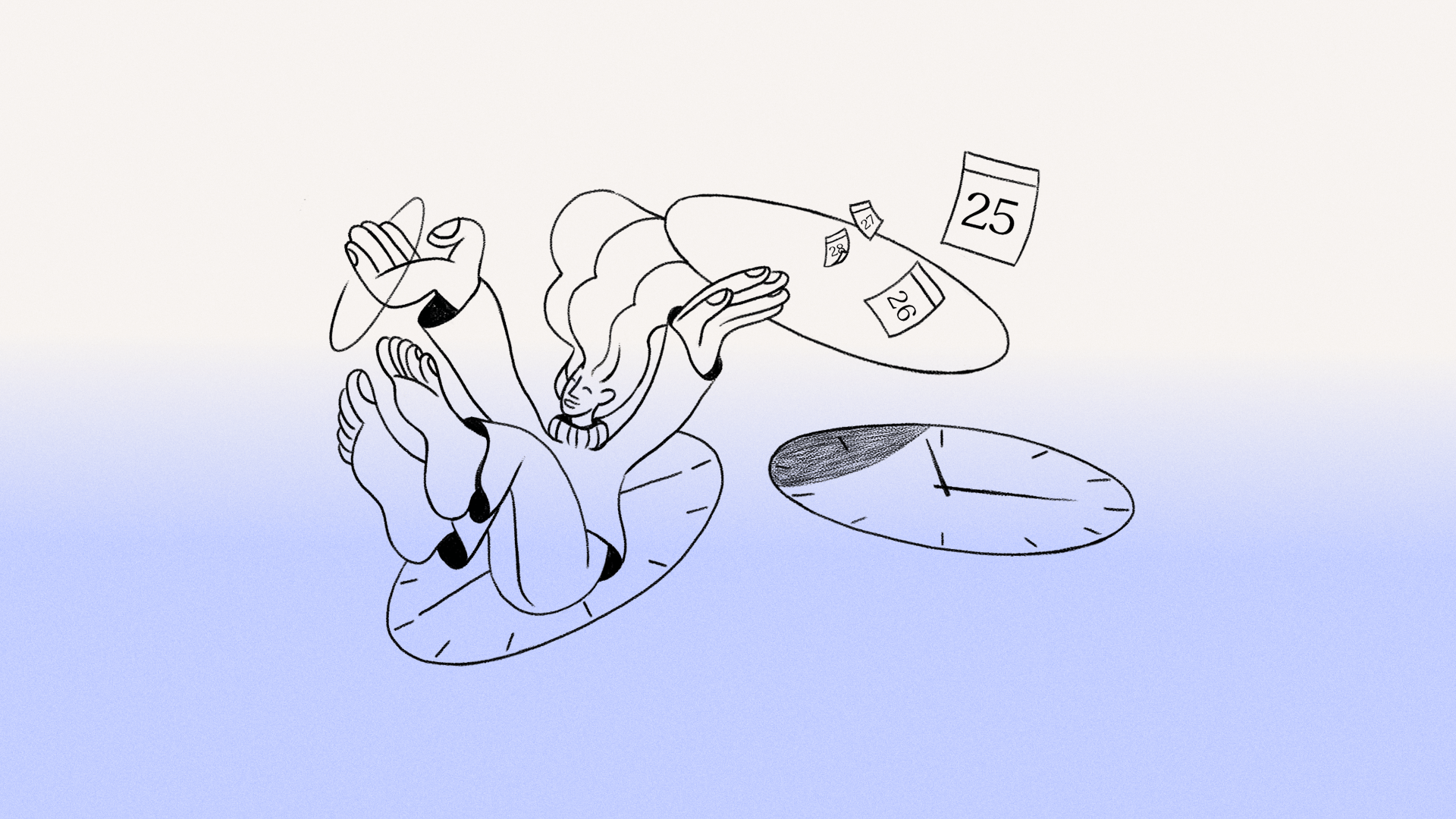
Illustration of a person floating above clock faces and calendar pages, reaching out as time appears scattered around them, representing time slipping away or feeling abstract.
January 20, 2026
• Updated

How to plan your day for better executive function

If time often slips away or planning feels overwhelming, this guide offers a gentler approach. Discover how the 3–3–3 method, Power Hours, and Time Blocking can help you design a calmer, more supportive day.

No items found.

Ever sit at your desk and feel that the hours are slipping through your fingers?
For many of us, especially neurodivergent people, the sense of time and how long a task takes can be challenging. Time can be slippery subject and that’s why we have collected two simple methods to help you get a hand on it.
So let’s let us together go from ‘oh, it just takes one minute to check a message,” and suddenly an hour’s gone.

Three is the magic number

Forget the 47-items to-do list. It works for some people, but maybe a more structured method can come in hand for you. So instead of having a long bullet list, you divide every day into three blocks using the 3-3-3 strategy:

  • 3 hours for the Most Important Projects. This is where going to lay the most of your focus.
  • 3 urgent, but easier task you will complete today. That can be tasks from your to-do-list
  • 3 maintenance activities -laundry, paying bills etc.

Let’s make an everyday example to narrow it down.

It’s Monday and you have an important school project you are working on. At the same you have emails and text messages from friends and family… and there is also that present you need to buy your sister’s birthday tonight. On top of that you have to apply for a French course and buy cat food at the pet store and grocery shop.

3 hours for Most Important Project (MIP)

  1. School project
  2. Sister’s present

3 urgent, but easier tasks

  1. Text back to my friends
  2. Answer emails from my family
  3. Apply to the French course

3 maintenance activities

  1. Buy cat food
  2. Grocery shop

Now your Monday is structured in nine small boxes that create structure and breathing room.

Power Hours: Work with your energy, not your clock.

The 9–5 model assumes we’re all equally alert all day. Spoiler: we’re not.

This is where the Power Hours come in handy: those golden pockets of the day when your brain feels alive and focused.

Here’s how to find them:

  1. For a week, jot down your energy every hour (1–10).
  2. Notice when you naturally hit your peak.
  3. Protect those hours like a dragon guards treasure.

That’s when you tackle your MIP, do creative work, or make big decisions.

When your energy dips, shift to low-effort tasks such as admin, tidying, or planning tomorrow.
Once you sync your schedule to your energy, work starts to feel smoother. You’ll do more with less friction (and fewer “brain fog” hours).

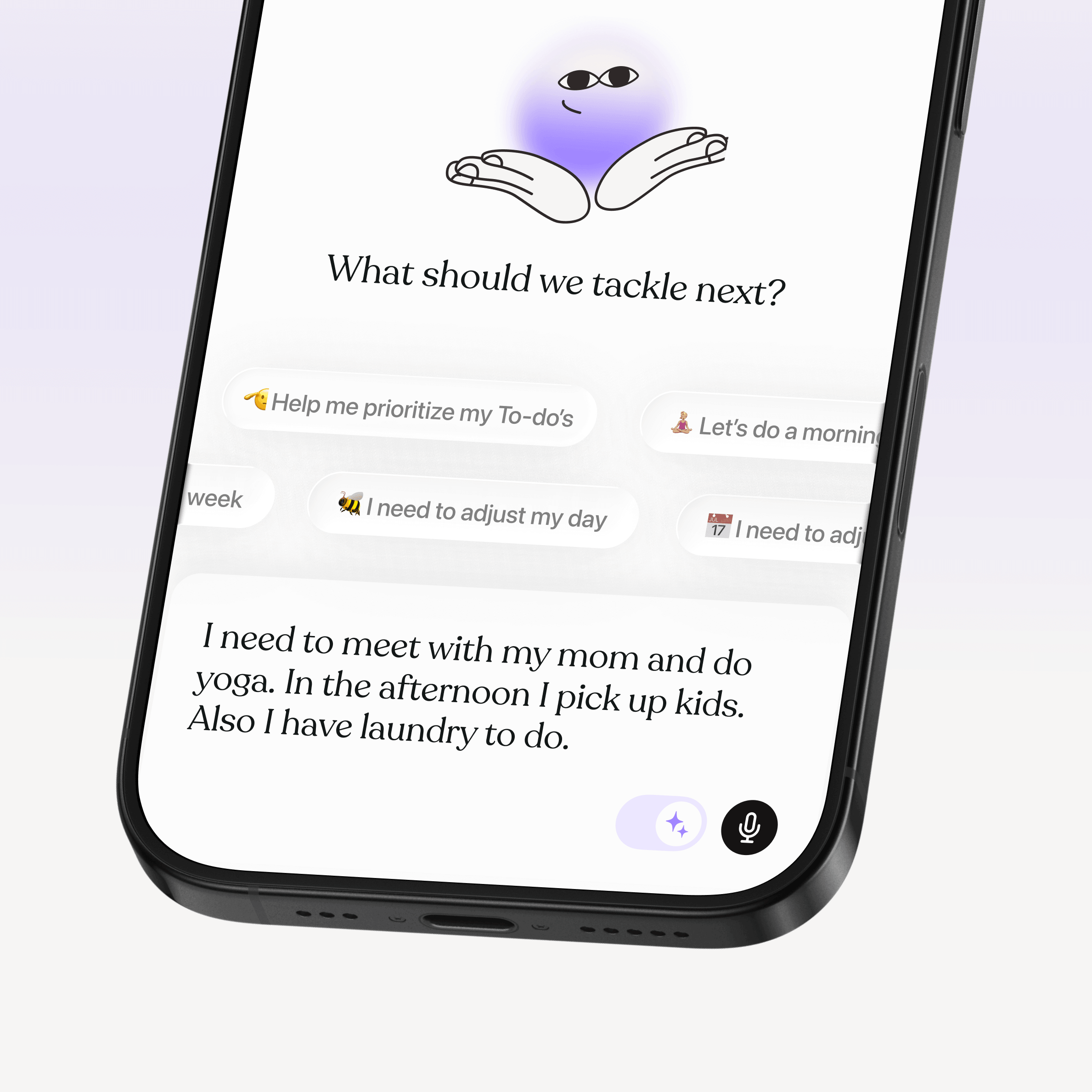
💡 Protip: At the start of your day, pick your MIP first in your To-Do list in Tiimo and move them to High priority. Everything else fills in around it, not the other way around.

Build momentum. Follow through. Get things done.

Tiimo helps you start, stay focused, and stick with it, using visual timelines, realistic routines, and tools that turn effort into progress.

Apple logo
Get Tiimo on App Store

Time Blocking: Make time tangible again

For many, especially those experiencing time agnosia, time feeling abstract or disappearing altogether. Time Blocking fixes that by giving your day a visible shape.

Here’s the idea:

  • Look at your priorities.
  • Estimate how long each task really takes (then add 20 minutes — trust me).
  • Assign each task to a block of time in your calendar.

During each block, that task gets your full focus. No multitasking, no “just one quick thing.”

Why it works: because when you see time, you respect it. You can think of it as building fences around your attention, keeping what matters safe and supported

Bringing it all together

When you bring these ideas together, your day starts to feel more intentional and easier to navigate. You begin by knowing your Most Important Project, then shape your day with clear time blocks that support focus rather than fight it. By working during your natural Power Hours, you align your tasks with the moments when your brain feels most alert and capable. Productivity becomes less about pushing through and more about clarity, prioritisation, and working in rhythm with yourself. To try this out, start small tomorrow by choosing your 3–3–3, blocking your time, and protecting your Power Hours. You may notice your day feels calmer, more grounded, and more accomplished as a result.

FAQ

Q: How can I design a productive daily routine?

A: Use the 3–3–3 strategy to prioritize tasks, Time Blocking to structure your schedule, and Power Hours to align work with your energy.

Q: What are Power Hours?

A: Your natural peak-focus times; usually 3-4 hours a day when your brain is most alert. Use these for creative or high-value work.

Q: Why does Time Blocking work so well?

A: It makes time visible and helps you protect focus by dedicating specific hours to each task instead of multitasking. Tools like Tiimo can help you visualize time in a more tangible way, and focus on the task at hand instead of scattering yourself.

About the author

Mette Frid Darré

Mette is a communications and content intern at Tiimo, where she helps craft clear, inclusive messaging and user-friendly experiences for neurodivergent audiences.

Read bio
January 20, 2026
• Updated:

How to plan your day for better executive function

If time often slips away or planning feels overwhelming, this guide offers a gentler approach. Discover how the 3–3–3 method, Power Hours, and Time Blocking can help you design a calmer, more supportive day.

No items found.

Ever sit at your desk and feel that the hours are slipping through your fingers?
For many of us, especially neurodivergent people, the sense of time and how long a task takes can be challenging. Time can be slippery subject and that’s why we have collected two simple methods to help you get a hand on it.
So let’s let us together go from ‘oh, it just takes one minute to check a message,” and suddenly an hour’s gone.

Three is the magic number

Forget the 47-items to-do list. It works for some people, but maybe a more structured method can come in hand for you. So instead of having a long bullet list, you divide every day into three blocks using the 3-3-3 strategy:

  • 3 hours for the Most Important Projects. This is where going to lay the most of your focus.
  • 3 urgent, but easier task you will complete today. That can be tasks from your to-do-list
  • 3 maintenance activities -laundry, paying bills etc.

Let’s make an everyday example to narrow it down.

It’s Monday and you have an important school project you are working on. At the same you have emails and text messages from friends and family… and there is also that present you need to buy your sister’s birthday tonight. On top of that you have to apply for a French course and buy cat food at the pet store and grocery shop.

3 hours for Most Important Project (MIP)

  1. School project
  2. Sister’s present

3 urgent, but easier tasks

  1. Text back to my friends
  2. Answer emails from my family
  3. Apply to the French course

3 maintenance activities

  1. Buy cat food
  2. Grocery shop

Now your Monday is structured in nine small boxes that create structure and breathing room.

Power Hours: Work with your energy, not your clock.

The 9–5 model assumes we’re all equally alert all day. Spoiler: we’re not.

This is where the Power Hours come in handy: those golden pockets of the day when your brain feels alive and focused.

Here’s how to find them:

  1. For a week, jot down your energy every hour (1–10).
  2. Notice when you naturally hit your peak.
  3. Protect those hours like a dragon guards treasure.

That’s when you tackle your MIP, do creative work, or make big decisions.

When your energy dips, shift to low-effort tasks such as admin, tidying, or planning tomorrow.
Once you sync your schedule to your energy, work starts to feel smoother. You’ll do more with less friction (and fewer “brain fog” hours).

💡 Protip: At the start of your day, pick your MIP first in your To-Do list in Tiimo and move them to High priority. Everything else fills in around it, not the other way around.
Build momentum. Follow through. Get things done.

Tiimo helps you start, stay focused, and stick with it, using visual timelines, realistic routines, and tools that turn effort into progress.

Apple logo
Get Tiimo on App Store

Time Blocking: Make time tangible again

For many, especially those experiencing time agnosia, time feeling abstract or disappearing altogether. Time Blocking fixes that by giving your day a visible shape.

Here’s the idea:

  • Look at your priorities.
  • Estimate how long each task really takes (then add 20 minutes — trust me).
  • Assign each task to a block of time in your calendar.

During each block, that task gets your full focus. No multitasking, no “just one quick thing.”

Why it works: because when you see time, you respect it. You can think of it as building fences around your attention, keeping what matters safe and supported

Bringing it all together

When you bring these ideas together, your day starts to feel more intentional and easier to navigate. You begin by knowing your Most Important Project, then shape your day with clear time blocks that support focus rather than fight it. By working during your natural Power Hours, you align your tasks with the moments when your brain feels most alert and capable. Productivity becomes less about pushing through and more about clarity, prioritisation, and working in rhythm with yourself. To try this out, start small tomorrow by choosing your 3–3–3, blocking your time, and protecting your Power Hours. You may notice your day feels calmer, more grounded, and more accomplished as a result.

FAQ

Q: How can I design a productive daily routine?

A: Use the 3–3–3 strategy to prioritize tasks, Time Blocking to structure your schedule, and Power Hours to align work with your energy.

Q: What are Power Hours?

A: Your natural peak-focus times; usually 3-4 hours a day when your brain is most alert. Use these for creative or high-value work.

Q: Why does Time Blocking work so well?

A: It makes time visible and helps you protect focus by dedicating specific hours to each task instead of multitasking. Tools like Tiimo can help you visualize time in a more tangible way, and focus on the task at hand instead of scattering yourself.

About the author

Mette Frid Darré

Mette is a communications and content intern at Tiimo, where she helps craft clear, inclusive messaging and user-friendly experiences for neurodivergent audiences.

More from the author
How to plan your day for better executive function
January 20, 2026

How to plan your day for better executive function

If time often slips away or planning feels overwhelming, this guide offers a gentler approach. Discover how the 3–3–3 method, Power Hours, and Time Blocking can help you design a calmer, more supportive day.

Tiimo coach of the month icon

Georgina Shute

Gina is an ADHD coach and founder of KindTwo, helping overwhelmed leaders reclaim time and build neuroinclusive systems that actually work.

No items found.

Ever sit at your desk and feel that the hours are slipping through your fingers?
For many of us, especially neurodivergent people, the sense of time and how long a task takes can be challenging. Time can be slippery subject and that’s why we have collected two simple methods to help you get a hand on it.
So let’s let us together go from ‘oh, it just takes one minute to check a message,” and suddenly an hour’s gone.

Three is the magic number

Forget the 47-items to-do list. It works for some people, but maybe a more structured method can come in hand for you. So instead of having a long bullet list, you divide every day into three blocks using the 3-3-3 strategy:

  • 3 hours for the Most Important Projects. This is where going to lay the most of your focus.
  • 3 urgent, but easier task you will complete today. That can be tasks from your to-do-list
  • 3 maintenance activities -laundry, paying bills etc.

Let’s make an everyday example to narrow it down.

It’s Monday and you have an important school project you are working on. At the same you have emails and text messages from friends and family… and there is also that present you need to buy your sister’s birthday tonight. On top of that you have to apply for a French course and buy cat food at the pet store and grocery shop.

3 hours for Most Important Project (MIP)

  1. School project
  2. Sister’s present

3 urgent, but easier tasks

  1. Text back to my friends
  2. Answer emails from my family
  3. Apply to the French course

3 maintenance activities

  1. Buy cat food
  2. Grocery shop

Now your Monday is structured in nine small boxes that create structure and breathing room.

Power Hours: Work with your energy, not your clock.

The 9–5 model assumes we’re all equally alert all day. Spoiler: we’re not.

This is where the Power Hours come in handy: those golden pockets of the day when your brain feels alive and focused.

Here’s how to find them:

  1. For a week, jot down your energy every hour (1–10).
  2. Notice when you naturally hit your peak.
  3. Protect those hours like a dragon guards treasure.

That’s when you tackle your MIP, do creative work, or make big decisions.

When your energy dips, shift to low-effort tasks such as admin, tidying, or planning tomorrow.
Once you sync your schedule to your energy, work starts to feel smoother. You’ll do more with less friction (and fewer “brain fog” hours).

💡 Protip: At the start of your day, pick your MIP first in your To-Do list in Tiimo and move them to High priority. Everything else fills in around it, not the other way around.
Time Blocking: Make time tangible again

For many, especially those experiencing time agnosia, time feeling abstract or disappearing altogether. Time Blocking fixes that by giving your day a visible shape.

Here’s the idea:

  • Look at your priorities.
  • Estimate how long each task really takes (then add 20 minutes — trust me).
  • Assign each task to a block of time in your calendar.

During each block, that task gets your full focus. No multitasking, no “just one quick thing.”

Why it works: because when you see time, you respect it. You can think of it as building fences around your attention, keeping what matters safe and supported

Bringing it all together

When you bring these ideas together, your day starts to feel more intentional and easier to navigate. You begin by knowing your Most Important Project, then shape your day with clear time blocks that support focus rather than fight it. By working during your natural Power Hours, you align your tasks with the moments when your brain feels most alert and capable. Productivity becomes less about pushing through and more about clarity, prioritisation, and working in rhythm with yourself. To try this out, start small tomorrow by choosing your 3–3–3, blocking your time, and protecting your Power Hours. You may notice your day feels calmer, more grounded, and more accomplished as a result.

FAQ

Q: How can I design a productive daily routine?

A: Use the 3–3–3 strategy to prioritize tasks, Time Blocking to structure your schedule, and Power Hours to align work with your energy.

Q: What are Power Hours?

A: Your natural peak-focus times; usually 3-4 hours a day when your brain is most alert. Use these for creative or high-value work.

Q: Why does Time Blocking work so well?

A: It makes time visible and helps you protect focus by dedicating specific hours to each task instead of multitasking. Tools like Tiimo can help you visualize time in a more tangible way, and focus on the task at hand instead of scattering yourself.

Build routines that work with ADHD

When you're ready, try Tiimo and make structure a little easier.

Illustration of two hands coming together to form a heart shape.

You may also like

Stylized illustration of a black alarm clock with a purple clock face filled with spoon shapes arranged like clock hands, on a light background.
January 13, 2026

Plan your energy with the Spoon Theory

Energy management is for some people not a big issue. For others, they have to carefully look at their energy capacity and always plan ahead. The Spoon Theory helps you explain why there isn’t always enough energy in your inner account and helps you plan with more clarity.

Illustration of fantasy glasses projecting stars and comets, symbolizing imaginative focus and clarity for identifying meaningful tasks.
November 26, 2025

3 simple strategies to get a move on

Sometimes you don't have the time or energy to learn new strategies to succeed. That's why we present three simple micro-strategies to help you get things done, when you are feeling overwhelmed and defeated.

Illustration of a brain plugged into a smartphone, symbolizing mental energy recharge and digital tools supporting focus.
November 21, 2025

It’s time to plug in your brain battery

Being productive isn’t always about doing more. It’s about managing your energy. This article explains why a short, daily check-in with your brain’s battery matters. Like your phone needs to be charged, your brain needs it too.