My watch says I’m dead. I’m at Wegmans
Your nervous system is always communicating, even in silence. Here's how HRV data helps translate those signals.
No items found.

Your nervous system is always communicating, even in silence. Here's how HRV data helps translate those signals.
I want to tell you about a client I’ll call Daniel.
Daniel came to me already pretty well-versed in his own Autism. He had done the reading, done the work, understood his triggers in the abstract. He was the kind of person who could explain his nervous system in clinical terms and still walk out of a grocery store completely destroyed without knowing why. His psychiatrist mentioned an app. His Apple Watch was already collecting heart rate variability data. All he had to do was start reading it.
What he found stopped him cold.
His scores were in the basement. Not occasionally. Not under obvious stress. At night. While he was sleeping. Before he had spoken to a single person or encountered a single demand. His nervous system, which he had always assumed was responding to things, was apparently just like that. Constantly. The data did not care that he felt fine. He brought his watch into session and showed me the numbers. What I had was: yes. That tracks. And also: this changes things.
Heart rate variability is the variation in time between heartbeats. Not how fast or slow your heart beats, but the flexibility between beats. High HRV generally means your nervous system is doing its job: shifting between states, recovering from stress, staying responsive without getting stuck.
Low HRV means the opposite. A rigid, poorly regulated system already in a defensive state even when nothing obvious is happening.
For Autistic people, this matters because the autonomic nervous system governs social engagement, emotional regulation, and sensory processing. When it’s chronically dysregulated, everything downstream gets harder. Emotions are harder to access.Sensory input is harder to filter. The window of tolerance gets very narrow.
Research consistently finds that Autistic adults show significantly reduced resting-state HRV compared to neurotypical peers, with the most notable reductions in the activity that reflects rest-and-digest function. Whether this is a core feature of Autistic neurology or the downstream effect of living in a world that wasn’t built for us, the clinical picture looks the same either way.
Back to Daniel. And honestly, to me.
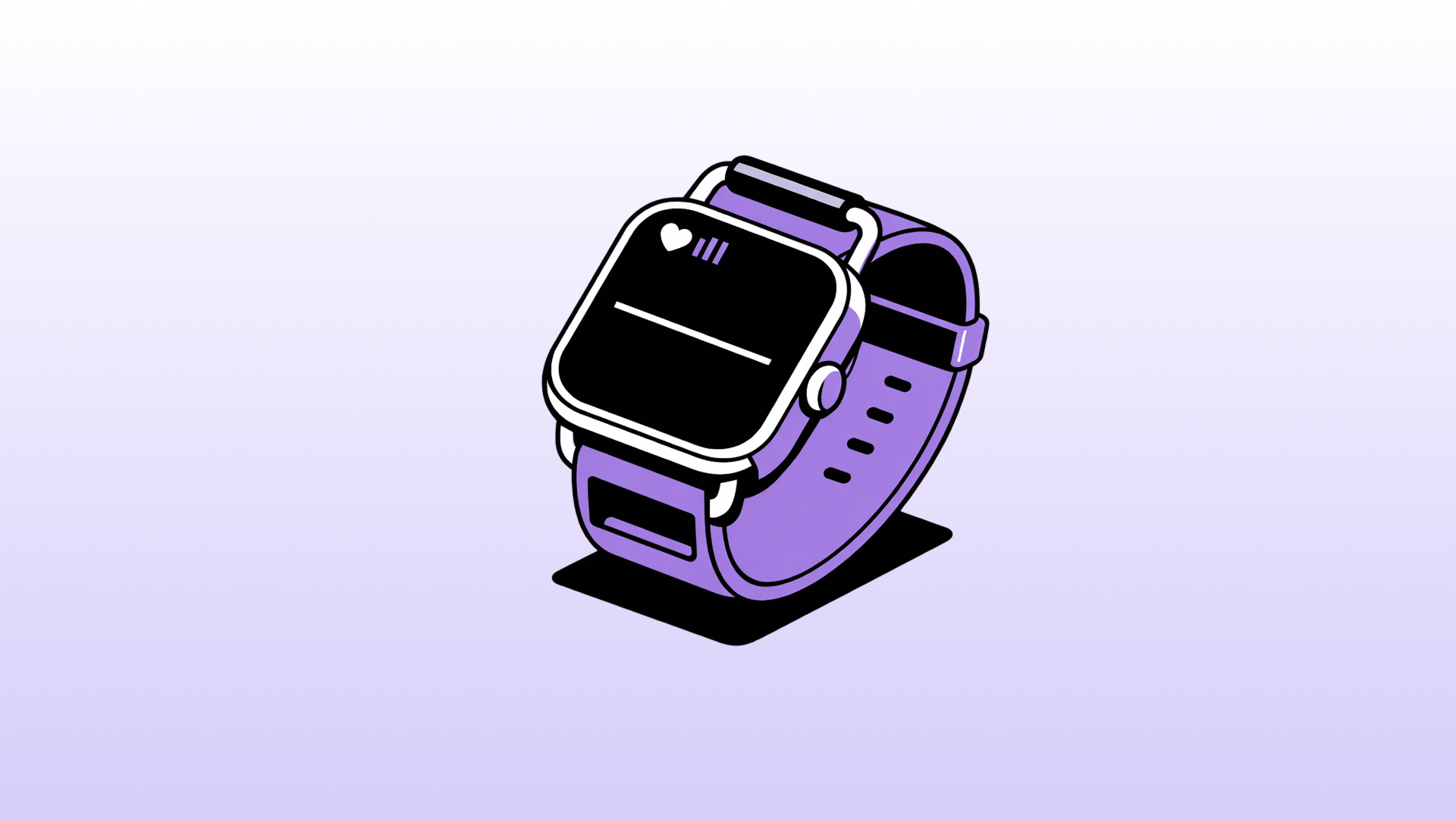
The StressWatch app reads HRV data through an Apple Watch and gives you a simple real-time readout of where your nervous system is. Green means regulated. What mine says when things aren’t going well is, essentially, dead.
Here’s what the data shows, consistently, that surprises people: I can sit through an intense couples session, people crying, voices raised, and my scores stay green all day. I’m in my chair, in my office, with my predictable schedule and my furry doggy friends at my feet, I’m “doing the thing” that is my entire special interest. My nervous system is happy.
Then inevitably I have to go to Wegmans.
I’m not upset at Wegmans. I don’t feel stressed at Wegmans. I’m getting eggs. And my watch is reporting a five-alarm fire. And I had absolutely no idea until I looked.
This is the piece that changes everything. Alexithymia (difficulty identifying internal emotional states) and interoceptive differences (the body and brain not communicating clearly about what’s happening physically) are common in Autistic people. Many have spent their entire lives being told they were overreacting, that their responses were disproportionate. And they genuinely didn’t know, in real time, what was happening in their bodies.
The watch doesn’t argue with them. It doesn’t require them to name a feeling or explain why the fluorescent lights or the overstimulation of so many people are a problem. It just shows them the number. And the number says: your body already knew.
Daniel had been tracking his data for a few months when he showed me something I didn’t have a clinical response for.
At home, his HRV scores were consistently terrible at night. He was sleeping in a state of physiological crisis. We had tried everything: routine, weighted blanket, white noise, reduced screens before bed. The numbers didn’t move.
Then he took his son camping. It rained. Not a comfortable night by any conventional measure. He showed me his data the next session. Green the entire night. He had slept outside, in the rain, in a tent, and his nervous system had been more regulated than it had been in months inside his own house.
We talked about what it might mean to take that data seriously. Not as a curiosity. As information. Sleep with the window open? Move the bed? Spend ten minutes outside before bed, even when it feels like the last thing you want to do?
The research supports what Daniel found in his backyard. Time in natural environments has measurable effects on autonomic regulation. And for Autistic people, the regulation that comes from nature, solitude, predictability, and special interests isn’t self-indulgence. It’s maintenance. The numbers go up.
What Daniel said at the end of that session has stayed with me: “All this time I thoughtI was just a grumpy person. I thought I was a bad dad. I thought there was something wrong with my character. And now I find out my nervous system was crashing every night before I even got home from work, and nobody ever told methat was a thing that could happen.”
That’s what the data does. It gives people back their own story.
You don’t need a clinical practice to use this information. Here’s what’s practical:
It reads through an Apple Watch. Look for the icon that resembles a heart with eyes. Use the Breathe function under mindfulness for one minute to get an instant score. The Oura ring is another option and tends to read faster. (It’s available at Costco, which matters for a community where budget is often a real constraint.)
Not what you think should help. What actually helps. For many Autistic people, the answer is solitude, nature, predictability, and deep dives into special interests. These aren’t preferences or quirks. They’re what your nervous systemruns on.
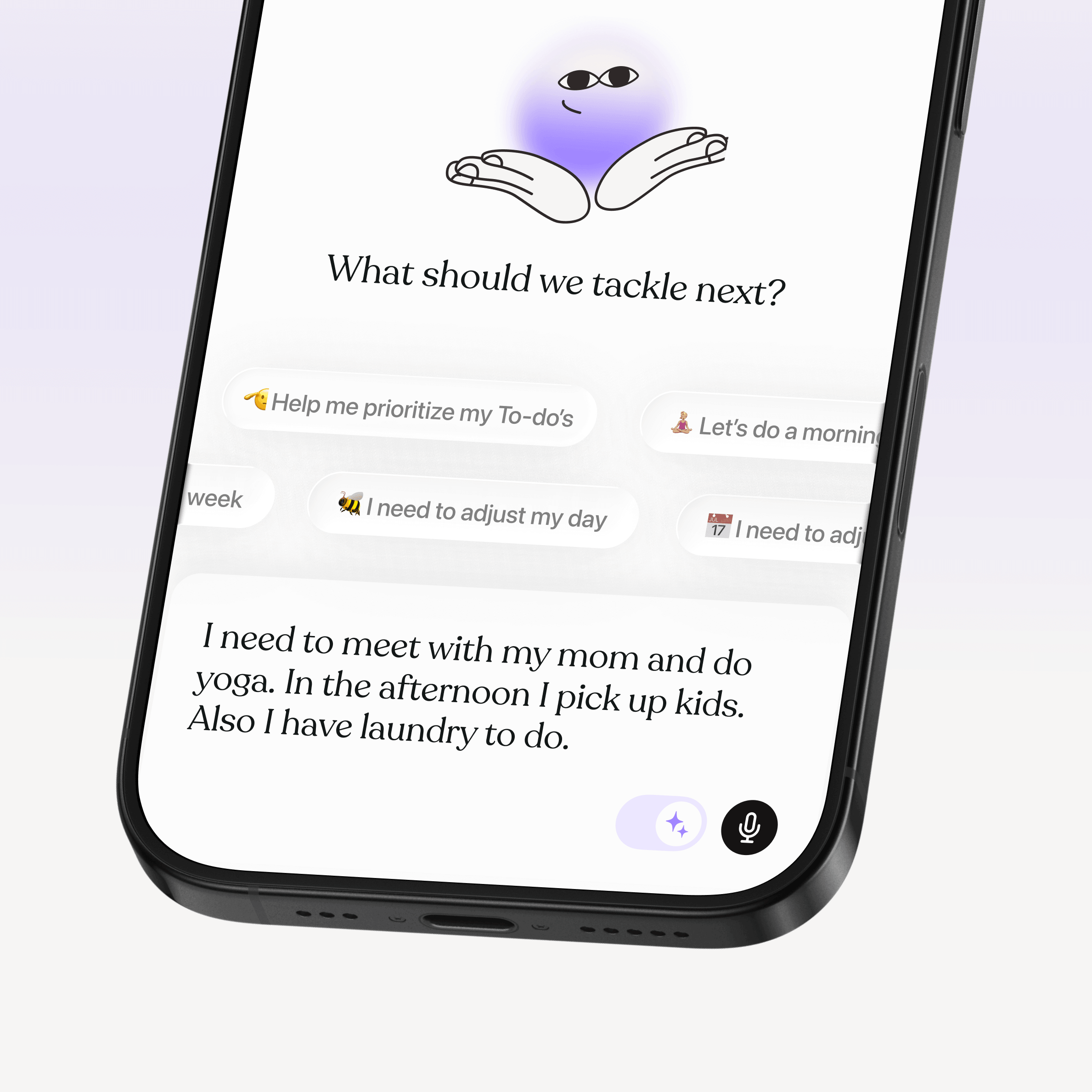
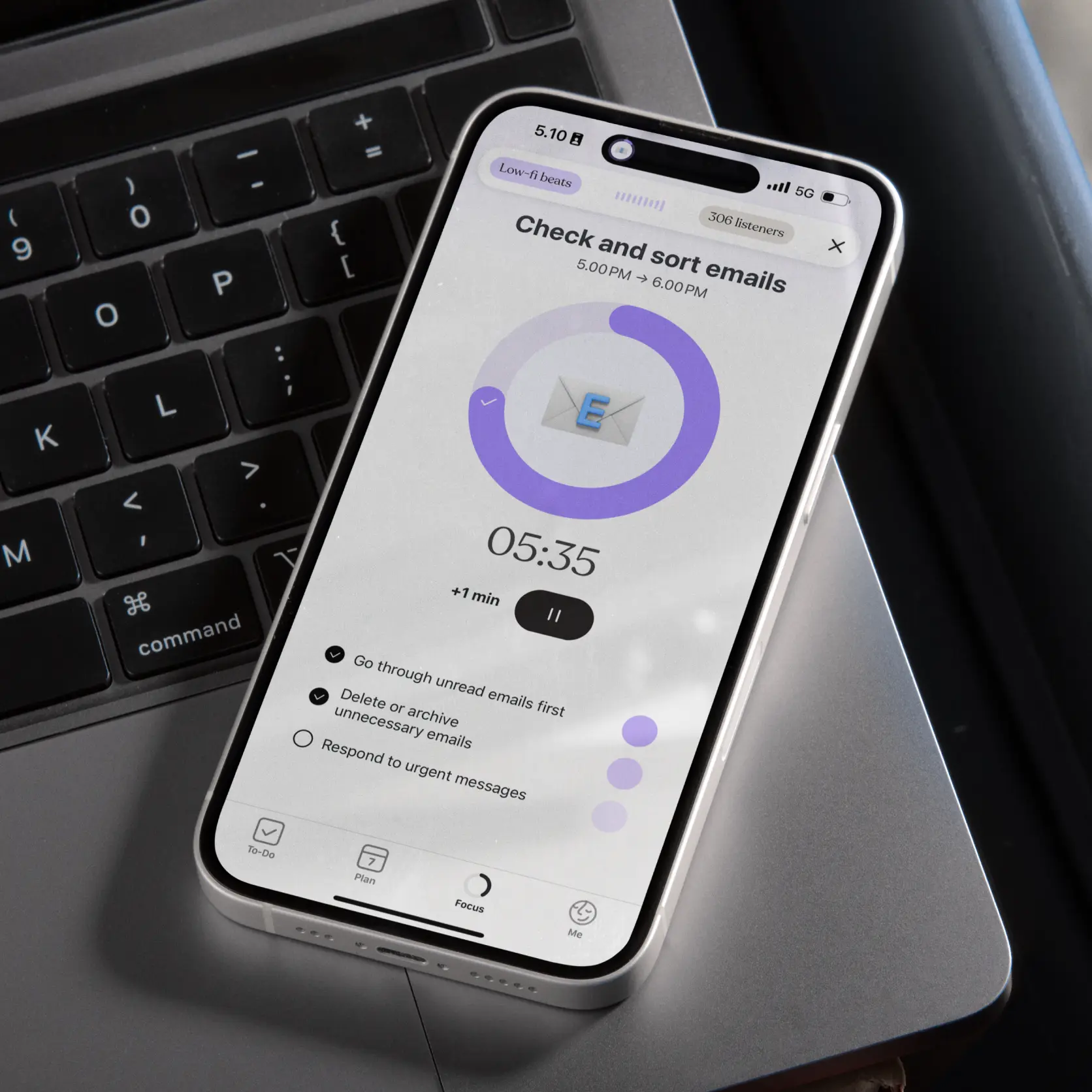
The question isn’t why you overreact to small things. It’s what your baseline looks like before the small things land. For a lot of Autistic people, the floor isalready very low before the day even starts. That’s a physiological breakdowneven when it feels like a failure of coping skills. Tools like Tiimo’s visual timeline and focus timer exist precisely to reduce the invisible load that keeps that floor low: the decision fatigue, the transition cost, the cognitive overhead of managing a day that wasn’t designed for how your brainworks. Reducing that overhead is nervous system regulation. The data says so.
Your soft blanket is not a preference. Your dog is not just a family pet. Your need for solitude after a long day is not antisocial. Scrolling on your phone isn’t just a mindless waste of time. These are the things that bring your numbers back up. And if you’ve ever been told your nervous system responses were disproportionate, that you needed to calm down, that everyone feels this way sometimes: your watch knows something. Or rather, it knows exactly what you’ve always suspected.
Your body was telling the truth the whole time.

Your nervous system is always communicating, even in silence. Here's how HRV data helps translate those signals.
I want to tell you about a client I’ll call Daniel.
Daniel came to me already pretty well-versed in his own Autism. He had done the reading, done the work, understood his triggers in the abstract. He was the kind of person who could explain his nervous system in clinical terms and still walk out of a grocery store completely destroyed without knowing why. His psychiatrist mentioned an app. His Apple Watch was already collecting heart rate variability data. All he had to do was start reading it.
What he found stopped him cold.
His scores were in the basement. Not occasionally. Not under obvious stress. At night. While he was sleeping. Before he had spoken to a single person or encountered a single demand. His nervous system, which he had always assumed was responding to things, was apparently just like that. Constantly. The data did not care that he felt fine. He brought his watch into session and showed me the numbers. What I had was: yes. That tracks. And also: this changes things.
Heart rate variability is the variation in time between heartbeats. Not how fast or slow your heart beats, but the flexibility between beats. High HRV generally means your nervous system is doing its job: shifting between states, recovering from stress, staying responsive without getting stuck.
Low HRV means the opposite. A rigid, poorly regulated system already in a defensive state even when nothing obvious is happening.
For Autistic people, this matters because the autonomic nervous system governs social engagement, emotional regulation, and sensory processing. When it’s chronically dysregulated, everything downstream gets harder. Emotions are harder to access.Sensory input is harder to filter. The window of tolerance gets very narrow.
Research consistently finds that Autistic adults show significantly reduced resting-state HRV compared to neurotypical peers, with the most notable reductions in the activity that reflects rest-and-digest function. Whether this is a core feature of Autistic neurology or the downstream effect of living in a world that wasn’t built for us, the clinical picture looks the same either way.
Back to Daniel. And honestly, to me.
The StressWatch app reads HRV data through an Apple Watch and gives you a simple real-time readout of where your nervous system is. Green means regulated. What mine says when things aren’t going well is, essentially, dead.
Here’s what the data shows, consistently, that surprises people: I can sit through an intense couples session, people crying, voices raised, and my scores stay green all day. I’m in my chair, in my office, with my predictable schedule and my furry doggy friends at my feet, I’m “doing the thing” that is my entire special interest. My nervous system is happy.
Then inevitably I have to go to Wegmans.
I’m not upset at Wegmans. I don’t feel stressed at Wegmans. I’m getting eggs. And my watch is reporting a five-alarm fire. And I had absolutely no idea until I looked.
This is the piece that changes everything. Alexithymia (difficulty identifying internal emotional states) and interoceptive differences (the body and brain not communicating clearly about what’s happening physically) are common in Autistic people. Many have spent their entire lives being told they were overreacting, that their responses were disproportionate. And they genuinely didn’t know, in real time, what was happening in their bodies.
The watch doesn’t argue with them. It doesn’t require them to name a feeling or explain why the fluorescent lights or the overstimulation of so many people are a problem. It just shows them the number. And the number says: your body already knew.
Daniel had been tracking his data for a few months when he showed me something I didn’t have a clinical response for.
At home, his HRV scores were consistently terrible at night. He was sleeping in a state of physiological crisis. We had tried everything: routine, weighted blanket, white noise, reduced screens before bed. The numbers didn’t move.
Then he took his son camping. It rained. Not a comfortable night by any conventional measure. He showed me his data the next session. Green the entire night. He had slept outside, in the rain, in a tent, and his nervous system had been more regulated than it had been in months inside his own house.
We talked about what it might mean to take that data seriously. Not as a curiosity. As information. Sleep with the window open? Move the bed? Spend ten minutes outside before bed, even when it feels like the last thing you want to do?
The research supports what Daniel found in his backyard. Time in natural environments has measurable effects on autonomic regulation. And for Autistic people, the regulation that comes from nature, solitude, predictability, and special interests isn’t self-indulgence. It’s maintenance. The numbers go up.
What Daniel said at the end of that session has stayed with me: “All this time I thoughtI was just a grumpy person. I thought I was a bad dad. I thought there was something wrong with my character. And now I find out my nervous system was crashing every night before I even got home from work, and nobody ever told methat was a thing that could happen.”
That’s what the data does. It gives people back their own story.
You don’t need a clinical practice to use this information. Here’s what’s practical:
It reads through an Apple Watch. Look for the icon that resembles a heart with eyes. Use the Breathe function under mindfulness for one minute to get an instant score. The Oura ring is another option and tends to read faster. (It’s available at Costco, which matters for a community where budget is often a real constraint.)
Not what you think should help. What actually helps. For many Autistic people, the answer is solitude, nature, predictability, and deep dives into special interests. These aren’t preferences or quirks. They’re what your nervous systemruns on.
The question isn’t why you overreact to small things. It’s what your baseline looks like before the small things land. For a lot of Autistic people, the floor isalready very low before the day even starts. That’s a physiological breakdowneven when it feels like a failure of coping skills. Tools like Tiimo’s visual timeline and focus timer exist precisely to reduce the invisible load that keeps that floor low: the decision fatigue, the transition cost, the cognitive overhead of managing a day that wasn’t designed for how your brainworks. Reducing that overhead is nervous system regulation. The data says so.
Your soft blanket is not a preference. Your dog is not just a family pet. Your need for solitude after a long day is not antisocial. Scrolling on your phone isn’t just a mindless waste of time. These are the things that bring your numbers back up. And if you’ve ever been told your nervous system responses were disproportionate, that you needed to calm down, that everyone feels this way sometimes: your watch knows something. Or rather, it knows exactly what you’ve always suspected.
Your body was telling the truth the whole time.
Your nervous system is always communicating, even in silence. Here's how HRV data helps translate those signals.


I want to tell you about a client I’ll call Daniel.
Daniel came to me already pretty well-versed in his own Autism. He had done the reading, done the work, understood his triggers in the abstract. He was the kind of person who could explain his nervous system in clinical terms and still walk out of a grocery store completely destroyed without knowing why. His psychiatrist mentioned an app. His Apple Watch was already collecting heart rate variability data. All he had to do was start reading it.
What he found stopped him cold.
His scores were in the basement. Not occasionally. Not under obvious stress. At night. While he was sleeping. Before he had spoken to a single person or encountered a single demand. His nervous system, which he had always assumed was responding to things, was apparently just like that. Constantly. The data did not care that he felt fine. He brought his watch into session and showed me the numbers. What I had was: yes. That tracks. And also: this changes things.
Heart rate variability is the variation in time between heartbeats. Not how fast or slow your heart beats, but the flexibility between beats. High HRV generally means your nervous system is doing its job: shifting between states, recovering from stress, staying responsive without getting stuck.
Low HRV means the opposite. A rigid, poorly regulated system already in a defensive state even when nothing obvious is happening.
For Autistic people, this matters because the autonomic nervous system governs social engagement, emotional regulation, and sensory processing. When it’s chronically dysregulated, everything downstream gets harder. Emotions are harder to access.Sensory input is harder to filter. The window of tolerance gets very narrow.
Research consistently finds that Autistic adults show significantly reduced resting-state HRV compared to neurotypical peers, with the most notable reductions in the activity that reflects rest-and-digest function. Whether this is a core feature of Autistic neurology or the downstream effect of living in a world that wasn’t built for us, the clinical picture looks the same either way.
Back to Daniel. And honestly, to me.
The StressWatch app reads HRV data through an Apple Watch and gives you a simple real-time readout of where your nervous system is. Green means regulated. What mine says when things aren’t going well is, essentially, dead.
Here’s what the data shows, consistently, that surprises people: I can sit through an intense couples session, people crying, voices raised, and my scores stay green all day. I’m in my chair, in my office, with my predictable schedule and my furry doggy friends at my feet, I’m “doing the thing” that is my entire special interest. My nervous system is happy.
Then inevitably I have to go to Wegmans.
I’m not upset at Wegmans. I don’t feel stressed at Wegmans. I’m getting eggs. And my watch is reporting a five-alarm fire. And I had absolutely no idea until I looked.
This is the piece that changes everything. Alexithymia (difficulty identifying internal emotional states) and interoceptive differences (the body and brain not communicating clearly about what’s happening physically) are common in Autistic people. Many have spent their entire lives being told they were overreacting, that their responses were disproportionate. And they genuinely didn’t know, in real time, what was happening in their bodies.
The watch doesn’t argue with them. It doesn’t require them to name a feeling or explain why the fluorescent lights or the overstimulation of so many people are a problem. It just shows them the number. And the number says: your body already knew.
Daniel had been tracking his data for a few months when he showed me something I didn’t have a clinical response for.
At home, his HRV scores were consistently terrible at night. He was sleeping in a state of physiological crisis. We had tried everything: routine, weighted blanket, white noise, reduced screens before bed. The numbers didn’t move.
Then he took his son camping. It rained. Not a comfortable night by any conventional measure. He showed me his data the next session. Green the entire night. He had slept outside, in the rain, in a tent, and his nervous system had been more regulated than it had been in months inside his own house.
We talked about what it might mean to take that data seriously. Not as a curiosity. As information. Sleep with the window open? Move the bed? Spend ten minutes outside before bed, even when it feels like the last thing you want to do?
The research supports what Daniel found in his backyard. Time in natural environments has measurable effects on autonomic regulation. And for Autistic people, the regulation that comes from nature, solitude, predictability, and special interests isn’t self-indulgence. It’s maintenance. The numbers go up.
What Daniel said at the end of that session has stayed with me: “All this time I thoughtI was just a grumpy person. I thought I was a bad dad. I thought there was something wrong with my character. And now I find out my nervous system was crashing every night before I even got home from work, and nobody ever told methat was a thing that could happen.”
That’s what the data does. It gives people back their own story.
You don’t need a clinical practice to use this information. Here’s what’s practical:
It reads through an Apple Watch. Look for the icon that resembles a heart with eyes. Use the Breathe function under mindfulness for one minute to get an instant score. The Oura ring is another option and tends to read faster. (It’s available at Costco, which matters for a community where budget is often a real constraint.)
Not what you think should help. What actually helps. For many Autistic people, the answer is solitude, nature, predictability, and deep dives into special interests. These aren’t preferences or quirks. They’re what your nervous systemruns on.
The question isn’t why you overreact to small things. It’s what your baseline looks like before the small things land. For a lot of Autistic people, the floor isalready very low before the day even starts. That’s a physiological breakdowneven when it feels like a failure of coping skills. Tools like Tiimo’s visual timeline and focus timer exist precisely to reduce the invisible load that keeps that floor low: the decision fatigue, the transition cost, the cognitive overhead of managing a day that wasn’t designed for how your brainworks. Reducing that overhead is nervous system regulation. The data says so.
Your soft blanket is not a preference. Your dog is not just a family pet. Your need for solitude after a long day is not antisocial. Scrolling on your phone isn’t just a mindless waste of time. These are the things that bring your numbers back up. And if you’ve ever been told your nervous system responses were disproportionate, that you needed to calm down, that everyone feels this way sometimes: your watch knows something. Or rather, it knows exactly what you’ve always suspected.
Your body was telling the truth the whole time.
When you're ready, try Tiimo and make structure a little easier.

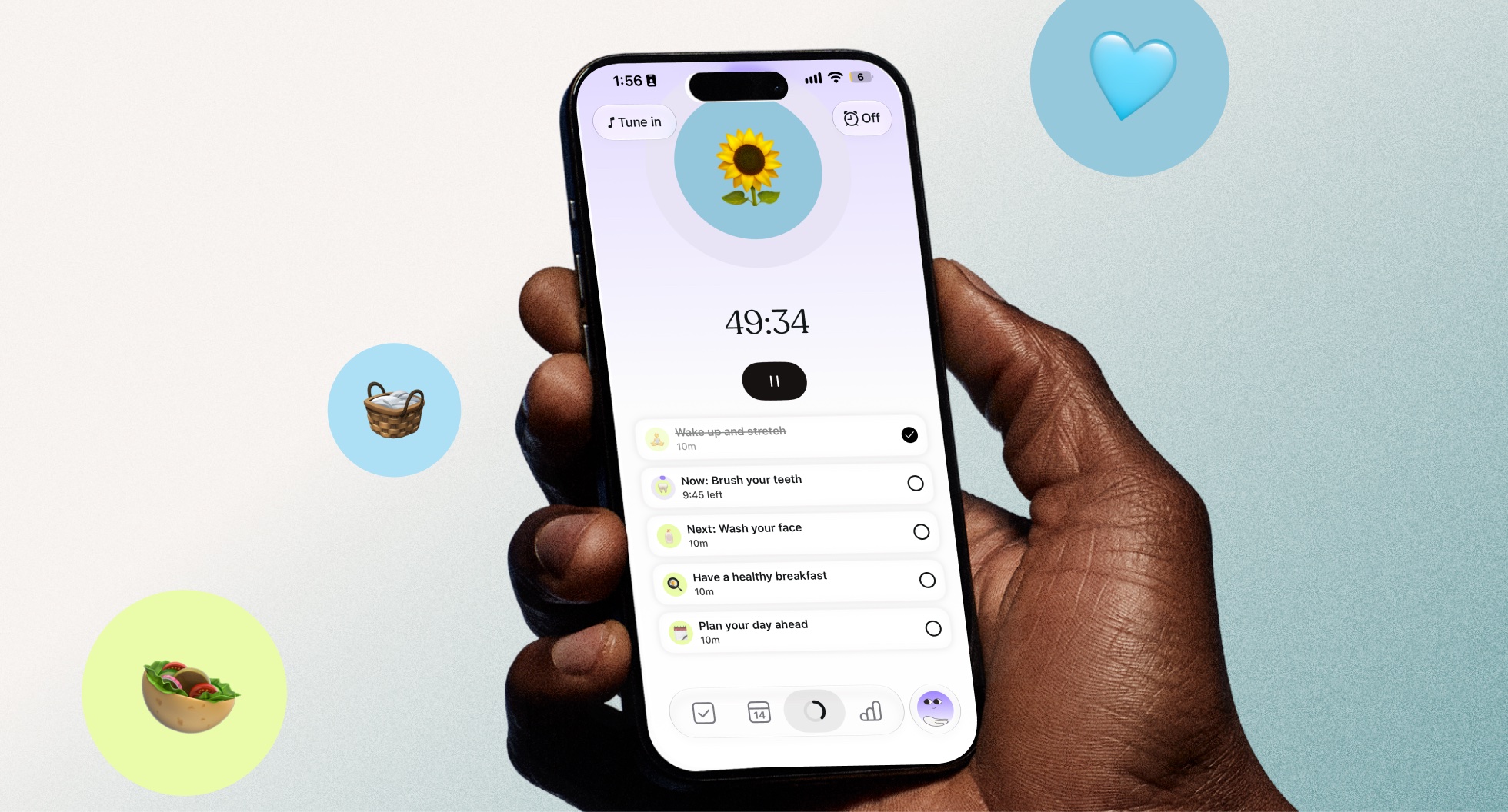
Timers on subtasks make time visible for the smaller steps inside a task. Here’s what the feature does and how it gives you a clearer view as you go.
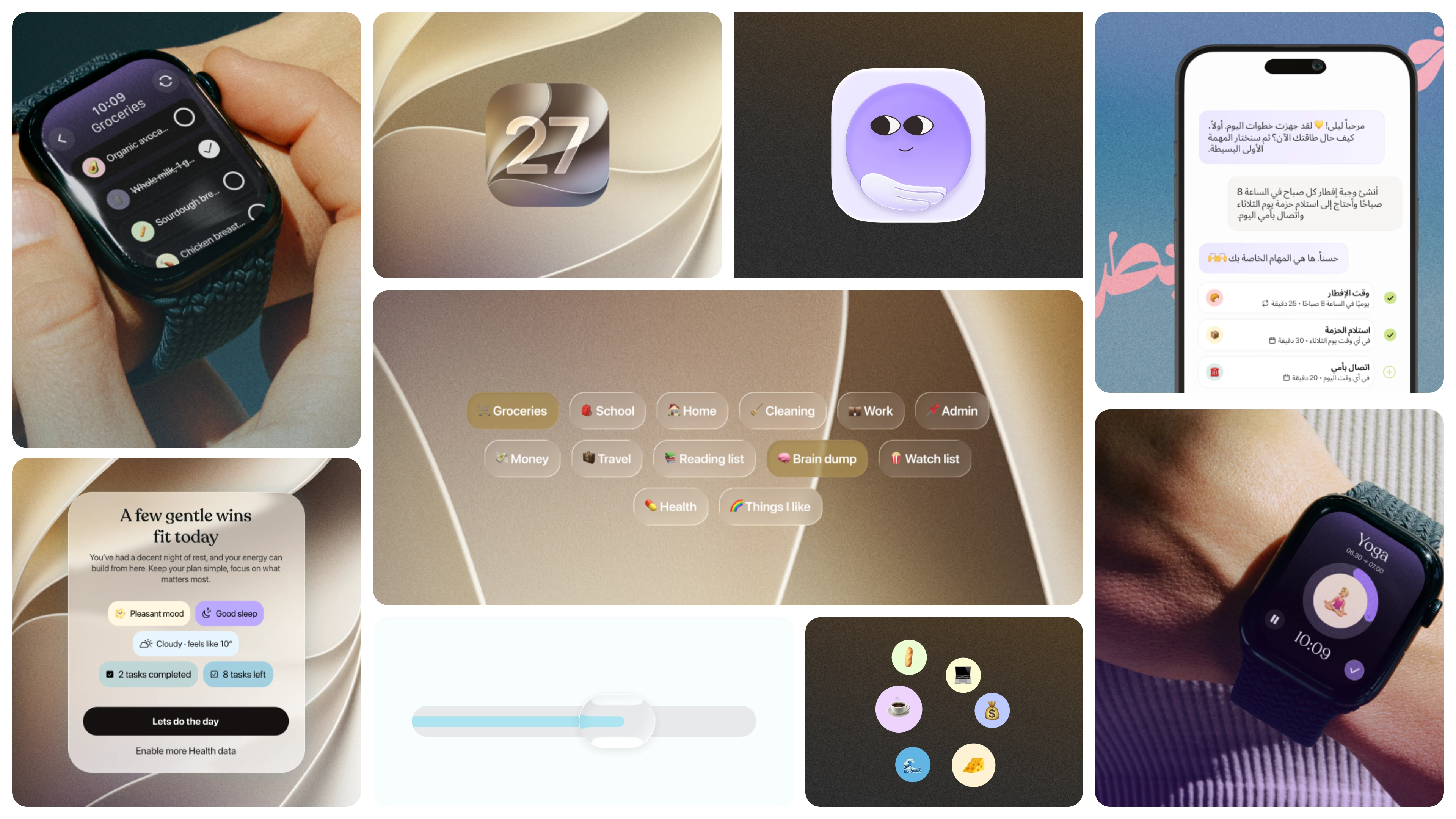
Siri integration, intelligent lists, snap to plans, and XL widgets. Here's everything Tiimo is bringing to iOS 27.
Five ADHD-friendly organization tips that reduce clutter and simplify cleaning.
