할 일이 너무 많으신가요? Tiimo가 계획하고 끝내도록 도와줘요.
Tiimo 시작하기
October 17, 2023
• 마지막 수정
•  글쓴이

Gamifying tasks with ADHD: Why it works and how to start

While ADHD presents a set of challenges, such as challenges in maintaining focus or completing tasks, there are innovative ways to manage and even leverage these setbacks. Enter the world of gamification—a strategy that can transform mundane tasks into engaging activities, making them more ADHD-friendly.

No items found.

Summary

  • Gamification involves applying game-design elements to everyday tasks.
  • It can benefit individuals with ADHD by providing immediate rewards and increasing motivation.
  • Clear and achievable goals are essential when gamifying tasks.
  • Time management techniques, like the Pomodoro Technique, can be gamified for better productivity.
  • Tools and apps like EndeavorOTC can assist in gamifying ADHD management.
  • Gamification can help individuals with ADHD manage tasks more effectively and engage their unique brain wiring.

What exactly is gamification?

At its core, gamification involves applying game-design elements in non-game contexts. Think of it as turning everyday tasks into mini-games, complete with rewards, challenges, and progress tracking.For the ADHD brain, which often craves stimulation and immediate rewards, gamification can be a game-changer (pun intended). It taps into the brain's reward centers, making tasks more engaging and, consequently, more achievable. This concept has been at the core of Tiimo’s design since its conception in 2015.

Why does gamifying ADHD make sense?

The ADHD brain is wired differently. It often seeks immediate gratification, which can sometimes lead to procrastination, especially when rewards are distant or tasks seem tedious. Gamification bridges this gap by providing instant feedback and rewards, thereby increasing motivation and focus. By turning tasks into challenges or games, individuals with ADHD can find themselves more invested in the outcome, leading to better task completion rates.

Tips and tricks to gamify your ADHD

Setting clear goals:

One of the foundational principles of any game is having a clear objective. Similarly, when gamifying tasks, it's crucial to have clear, achievable goals. For instance, instead of vaguely wanting to"read more," set a goal to "read 10 pages every day." This clarity can make the task feel more like a game where you're trying to achieve a specific score.

To further enhance this, break down larger tasks into smaller, game-like challenges. If you have a project due in a week, set daily challenges for yourself. Day one could be brainstorming, day two for outlining, and so on. Each completed challenge brings you closer to 'winning' the game.

Time management techniques:

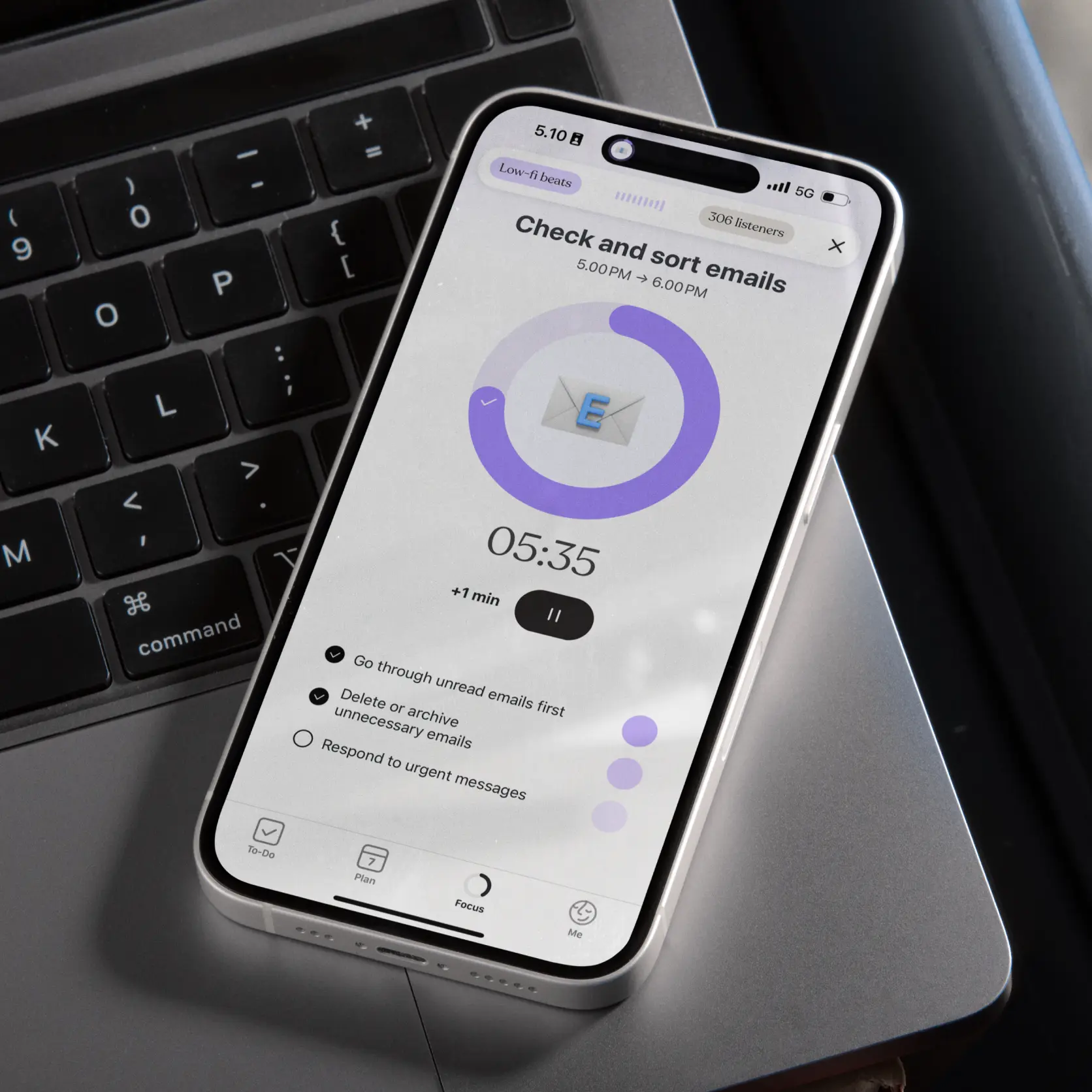
The ADHD brain can sometimes struggle with time perception, making time management techniques crucial. One popular method is the Pomodoro Technique, where you work intensively for 25 minutes and then take a 5-minute break. To gamify this, challenge yourself to complete a specific task within that 25-minute window. As you progress, you can adjust the time or increase the challenge, turning it into a race against the clock.

할 일을 시작하는 게 어렵다면

Tiimo는 시각 타이머와 체크리스트로 집중을 돕고, 시작부터 완료까지 자연스럽게 이어지게 해줘요.

Apple logo
App Store에서 받기

Tools and apps to help gamify ADHD

In today's digital age, several tools and apps can assist in gamifying your ADHD management. One such tool that stands out is EndeavorOTC, the game-based treatment scientifically designed and clinically proven to improve ADHD and focus in adults. This is a digital treatment—it’s built with the same technology behind EndeavorRx, the world’s first U.S. FDA-authorized prescription video game treatment for pediatric ADHD. 

EndeavorOTC takes players on an exciting journey where they navigate various challenges while activating and strengthening the areas of the brain associated with attention and focus. The real magic lies in its design, which is rooted in rigorous scientific research. As players navigate the game, the game essentially changes how your brain functions by having you complete multiple tasks competing for your attention and simultaneously scaling the difficulty level as you play, both of which are designed to help you improve cognitive function and treat ADHD-related symptoms.

While ADHD presents its challenges, innovative solutions like gamification can make task management more engaging and effective. By setting clear goals, incorporating time management techniques, and utilizing tools like EndeavorOTC, individuals with ADHD can harness their unique brain wiring to their advantage.  

So, why not turn life's challenges into a game and play to win?

Volkow, N. D., Wang, G. J., Kollins, S. H., et al. (2009). Evaluating dopamine reward pathway in ADHD: Clinical implications. Journal of the American Medical Association Psychiatry. https://doi.org/10.1001/archgenpsychiatry.2009.20

Plichta, M. M., & Scheres, A. (2014). Ventral–striatal responsiveness during reward anticipation in ADHD and its relation to trait impulsivity in the healthy population: A meta-analytic review of the fMRI literature. Neuroscience & Biobehavioral Reviews, 38, 125–134. https://doi.org/10.1016/j.neubiorev.2013.07.012

Dovis, S., Van der Oord, S., Wiers, R. W., & Prins, P. J. M. (2013). Can motivation normalize working memory and task persistence in children with ADHD? Journal of Abnormal Child Psychology, 41(5), 705–718. https://doi.org/10.1007/s10802-012-9704-0

Westbrook, A., & Braver, T. S. (2016). Dopamine does double duty in motivating cognitive effort. Neuron, 89(4), 695–710. https://doi.org/10.1016/j.neuron.2015.12.029

글쓴이 소개

Clémence Rigal

Clémence는 Tiimo에서 성장을 이끌며, 사람 중심의 포용적인 전략을 통해 의미 있는 변화를 만들어간다.

더 알아보기
October 17, 2023
• Updated:

Gamifying tasks with ADHD: Why it works and how to start

While ADHD presents a set of challenges, such as challenges in maintaining focus or completing tasks, there are innovative ways to manage and even leverage these setbacks. Enter the world of gamification—a strategy that can transform mundane tasks into engaging activities, making them more ADHD-friendly.

No items found.

Summary

  • Gamification involves applying game-design elements to everyday tasks.
  • It can benefit individuals with ADHD by providing immediate rewards and increasing motivation.
  • Clear and achievable goals are essential when gamifying tasks.
  • Time management techniques, like the Pomodoro Technique, can be gamified for better productivity.
  • Tools and apps like EndeavorOTC can assist in gamifying ADHD management.
  • Gamification can help individuals with ADHD manage tasks more effectively and engage their unique brain wiring.

What exactly is gamification?

At its core, gamification involves applying game-design elements in non-game contexts. Think of it as turning everyday tasks into mini-games, complete with rewards, challenges, and progress tracking.For the ADHD brain, which often craves stimulation and immediate rewards, gamification can be a game-changer (pun intended). It taps into the brain's reward centers, making tasks more engaging and, consequently, more achievable. This concept has been at the core of Tiimo’s design since its conception in 2015.

Why does gamifying ADHD make sense?

The ADHD brain is wired differently. It often seeks immediate gratification, which can sometimes lead to procrastination, especially when rewards are distant or tasks seem tedious. Gamification bridges this gap by providing instant feedback and rewards, thereby increasing motivation and focus. By turning tasks into challenges or games, individuals with ADHD can find themselves more invested in the outcome, leading to better task completion rates.

Tips and tricks to gamify your ADHD

Setting clear goals:

One of the foundational principles of any game is having a clear objective. Similarly, when gamifying tasks, it's crucial to have clear, achievable goals. For instance, instead of vaguely wanting to"read more," set a goal to "read 10 pages every day." This clarity can make the task feel more like a game where you're trying to achieve a specific score.

To further enhance this, break down larger tasks into smaller, game-like challenges. If you have a project due in a week, set daily challenges for yourself. Day one could be brainstorming, day two for outlining, and so on. Each completed challenge brings you closer to 'winning' the game.

Time management techniques:

The ADHD brain can sometimes struggle with time perception, making time management techniques crucial. One popular method is the Pomodoro Technique, where you work intensively for 25 minutes and then take a 5-minute break. To gamify this, challenge yourself to complete a specific task within that 25-minute window. As you progress, you can adjust the time or increase the challenge, turning it into a race against the clock.
할 일을 시작하는 게 어렵다면

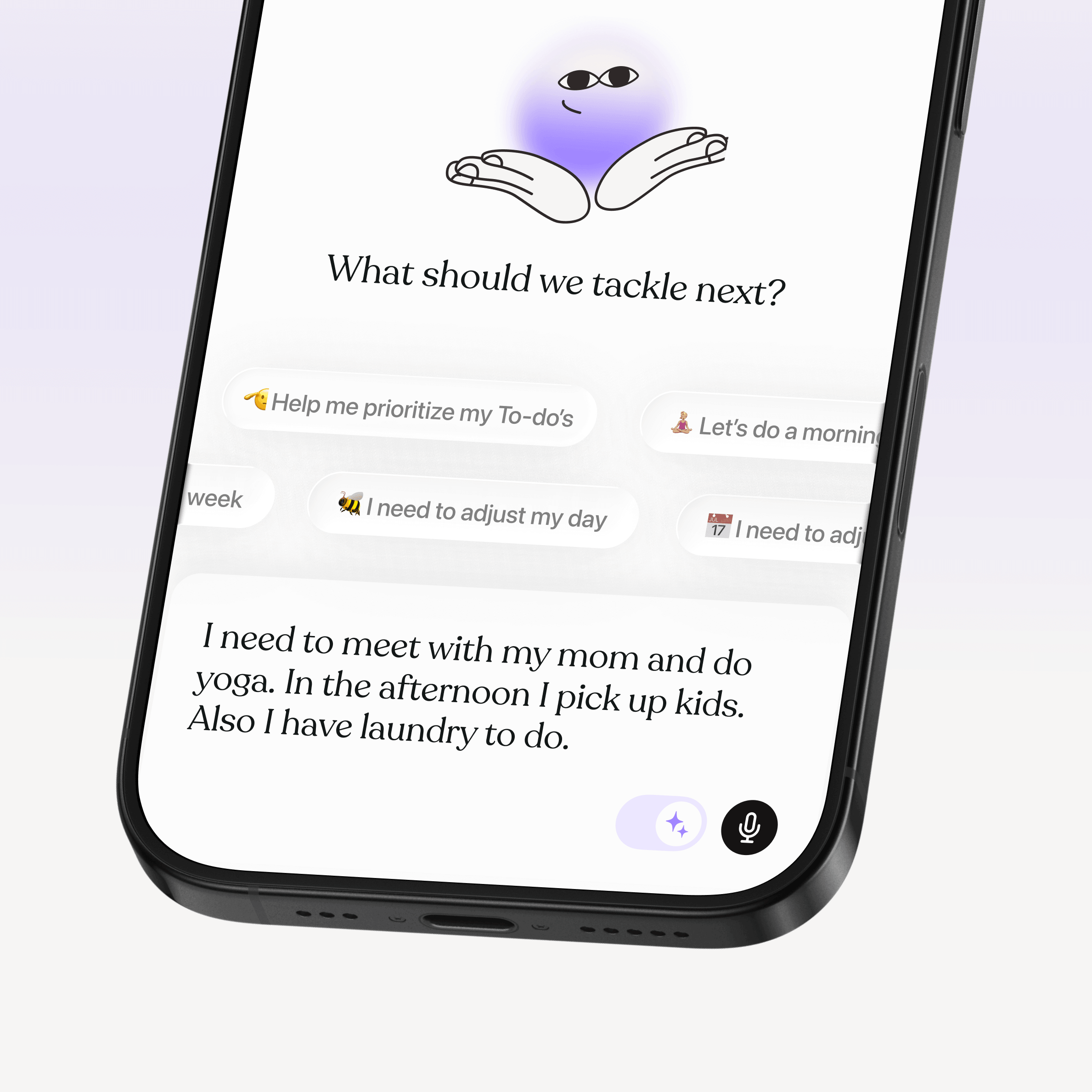
Tiimo는 시각 타이머와 체크리스트로 집중을 돕고, 시작부터 완료까지 자연스럽게 이어지게 해줘요.

Apple logo
Get Tiimo on App Store

Tools and apps to help gamify ADHD

In today's digital age, several tools and apps can assist in gamifying your ADHD management. One such tool that stands out is EndeavorOTC, the game-based treatment scientifically designed and clinically proven to improve ADHD and focus in adults. This is a digital treatment—it’s built with the same technology behind EndeavorRx, the world’s first U.S. FDA-authorized prescription video game treatment for pediatric ADHD. 

EndeavorOTC takes players on an exciting journey where they navigate various challenges while activating and strengthening the areas of the brain associated with attention and focus. The real magic lies in its design, which is rooted in rigorous scientific research. As players navigate the game, the game essentially changes how your brain functions by having you complete multiple tasks competing for your attention and simultaneously scaling the difficulty level as you play, both of which are designed to help you improve cognitive function and treat ADHD-related symptoms.

While ADHD presents its challenges, innovative solutions like gamification can make task management more engaging and effective. By setting clear goals, incorporating time management techniques, and utilizing tools like EndeavorOTC, individuals with ADHD can harness their unique brain wiring to their advantage.  

So, why not turn life's challenges into a game and play to win?

Volkow, N. D., Wang, G. J., Kollins, S. H., et al. (2009). Evaluating dopamine reward pathway in ADHD: Clinical implications. Journal of the American Medical Association Psychiatry. https://doi.org/10.1001/archgenpsychiatry.2009.20

Plichta, M. M., & Scheres, A. (2014). Ventral–striatal responsiveness during reward anticipation in ADHD and its relation to trait impulsivity in the healthy population: A meta-analytic review of the fMRI literature. Neuroscience & Biobehavioral Reviews, 38, 125–134. https://doi.org/10.1016/j.neubiorev.2013.07.012

Dovis, S., Van der Oord, S., Wiers, R. W., & Prins, P. J. M. (2013). Can motivation normalize working memory and task persistence in children with ADHD? Journal of Abnormal Child Psychology, 41(5), 705–718. https://doi.org/10.1007/s10802-012-9704-0

Westbrook, A., & Braver, T. S. (2016). Dopamine does double duty in motivating cognitive effort. Neuron, 89(4), 695–710. https://doi.org/10.1016/j.neuron.2015.12.029

About the author

Clémence Rigal

Clémence는 Tiimo에서 성장을 이끌며, 사람 중심의 포용적인 전략을 통해 의미 있는 변화를 만들어간다.

More from the author
Gamifying tasks with ADHD: Why it works and how to start
October 17, 2023

Gamifying tasks with ADHD: Why it works and how to start

While ADHD presents a set of challenges, such as challenges in maintaining focus or completing tasks, there are innovative ways to manage and even leverage these setbacks. Enter the world of gamification—a strategy that can transform mundane tasks into engaging activities, making them more ADHD-friendly.

Tiimo coach of the month icon

Georgina Shute

Gina is an ADHD coach and founder of KindTwo, helping overwhelmed leaders reclaim time and build neuroinclusive systems that actually work.

No items found.

Summary

  • Gamification involves applying game-design elements to everyday tasks.
  • It can benefit individuals with ADHD by providing immediate rewards and increasing motivation.
  • Clear and achievable goals are essential when gamifying tasks.
  • Time management techniques, like the Pomodoro Technique, can be gamified for better productivity.
  • Tools and apps like EndeavorOTC can assist in gamifying ADHD management.
  • Gamification can help individuals with ADHD manage tasks more effectively and engage their unique brain wiring.

What exactly is gamification?

At its core, gamification involves applying game-design elements in non-game contexts. Think of it as turning everyday tasks into mini-games, complete with rewards, challenges, and progress tracking.For the ADHD brain, which often craves stimulation and immediate rewards, gamification can be a game-changer (pun intended). It taps into the brain's reward centers, making tasks more engaging and, consequently, more achievable. This concept has been at the core of Tiimo’s design since its conception in 2015.

Why does gamifying ADHD make sense?

The ADHD brain is wired differently. It often seeks immediate gratification, which can sometimes lead to procrastination, especially when rewards are distant or tasks seem tedious. Gamification bridges this gap by providing instant feedback and rewards, thereby increasing motivation and focus. By turning tasks into challenges or games, individuals with ADHD can find themselves more invested in the outcome, leading to better task completion rates.

Tips and tricks to gamify your ADHD

Setting clear goals:

One of the foundational principles of any game is having a clear objective. Similarly, when gamifying tasks, it's crucial to have clear, achievable goals. For instance, instead of vaguely wanting to"read more," set a goal to "read 10 pages every day." This clarity can make the task feel more like a game where you're trying to achieve a specific score.

To further enhance this, break down larger tasks into smaller, game-like challenges. If you have a project due in a week, set daily challenges for yourself. Day one could be brainstorming, day two for outlining, and so on. Each completed challenge brings you closer to 'winning' the game.

Time management techniques:

The ADHD brain can sometimes struggle with time perception, making time management techniques crucial. One popular method is the Pomodoro Technique, where you work intensively for 25 minutes and then take a 5-minute break. To gamify this, challenge yourself to complete a specific task within that 25-minute window. As you progress, you can adjust the time or increase the challenge, turning it into a race against the clock.
Tools and apps to help gamify ADHD

In today's digital age, several tools and apps can assist in gamifying your ADHD management. One such tool that stands out is EndeavorOTC, the game-based treatment scientifically designed and clinically proven to improve ADHD and focus in adults. This is a digital treatment—it’s built with the same technology behind EndeavorRx, the world’s first U.S. FDA-authorized prescription video game treatment for pediatric ADHD. 

EndeavorOTC takes players on an exciting journey where they navigate various challenges while activating and strengthening the areas of the brain associated with attention and focus. The real magic lies in its design, which is rooted in rigorous scientific research. As players navigate the game, the game essentially changes how your brain functions by having you complete multiple tasks competing for your attention and simultaneously scaling the difficulty level as you play, both of which are designed to help you improve cognitive function and treat ADHD-related symptoms.

While ADHD presents its challenges, innovative solutions like gamification can make task management more engaging and effective. By setting clear goals, incorporating time management techniques, and utilizing tools like EndeavorOTC, individuals with ADHD can harness their unique brain wiring to their advantage.  

So, why not turn life's challenges into a game and play to win?

Volkow, N. D., Wang, G. J., Kollins, S. H., et al. (2009). Evaluating dopamine reward pathway in ADHD: Clinical implications. Journal of the American Medical Association Psychiatry. https://doi.org/10.1001/archgenpsychiatry.2009.20

Plichta, M. M., & Scheres, A. (2014). Ventral–striatal responsiveness during reward anticipation in ADHD and its relation to trait impulsivity in the healthy population: A meta-analytic review of the fMRI literature. Neuroscience & Biobehavioral Reviews, 38, 125–134. https://doi.org/10.1016/j.neubiorev.2013.07.012

Dovis, S., Van der Oord, S., Wiers, R. W., & Prins, P. J. M. (2013). Can motivation normalize working memory and task persistence in children with ADHD? Journal of Abnormal Child Psychology, 41(5), 705–718. https://doi.org/10.1007/s10802-012-9704-0

Westbrook, A., & Braver, T. S. (2016). Dopamine does double duty in motivating cognitive effort. Neuron, 89(4), 695–710. https://doi.org/10.1016/j.neuron.2015.12.029

Build routines that work with ADHD

When you're ready, try Tiimo and make structure a little easier.

iOS, iPadOS, watchOS 지원
 데스크톱에서 시작하기
Illustration of two hands coming together to form a heart shape.

이런 글도 좋아하실 거예요

Illustration of fantasy glasses projecting stars and comets, symbolizing imaginative focus and clarity for identifying meaningful tasks.
November 26, 2025

3 simple strategies to get a move on

Sometimes you don't have the time or energy to learn new strategies to succeed. That's why we present three simple micro-strategies to help you get things done, when you are feeling overwhelmed and defeated.

Illustration of a brain plugged into a smartphone, symbolizing mental energy recharge and digital tools supporting focus.
November 21, 2025

It’s time to plug in your brain battery

Being productive isn’t always about doing more. It’s about managing your energy. This article explains why a short, daily check-in with your brain’s battery matters. Like your phone needs to be charged, your brain needs it too.

Blue graphic background with white text that reads Apple App Store Awards 2025, Winner, iPhone App of the Year.
November 19, 2025

Tiimo is the iPhone App of the Year 2025

Tiimo has been awarded the iPhone App of the Year at the 2025 App Store Awards, an honor given to only a select group of products each year. This post looks back at the learnings that have shaped the last decade of our journey.