How to stop procrastinating and get more done
This article explores some common root causes of procrastination and shares two practical strategies to improve focus, reduce procrastination, and help you actually finish what you start.
No items found.

This article explores some common root causes of procrastination and shares two practical strategies to improve focus, reduce procrastination, and help you actually finish what you start.
Why does focusing feel so hard sometimes? You sit down to work. Five minutes later, you're reorganizing your sock drawer. Or scrolling aimlessly. Or deep in a rabbit hole about Victorian plumbing (again). Sound familiar? You’re not lazy. You’re not broken. You might just need a different kind of support.
Procrastination often gets framed as a motivation problem. But for many of us, especially if you're neurodivergent, it’s more about task initiation and time agnosia. When your brain struggles to sense time or decide where to start, even small tasks can feel like scaling a mountain in flip-flops.
There’s also the sneaky kind of procrastination: doing other productive things to avoid the task you actually need to do. You tidy your desk, answer emails, color-code your files; and still haven’t touched that one scary task. This kind of avoidance often masks deeper feelings: fear of getting it wrong, overwhelm, or not knowing where to begin. The good news? You don’t need to “fix” your brain. You just need systems that work with it. Let’s explore two that do.
This one comes from writer Steven Johnson. It’s called the Spark File, and it’s brilliantly simple. Here’s how it works:
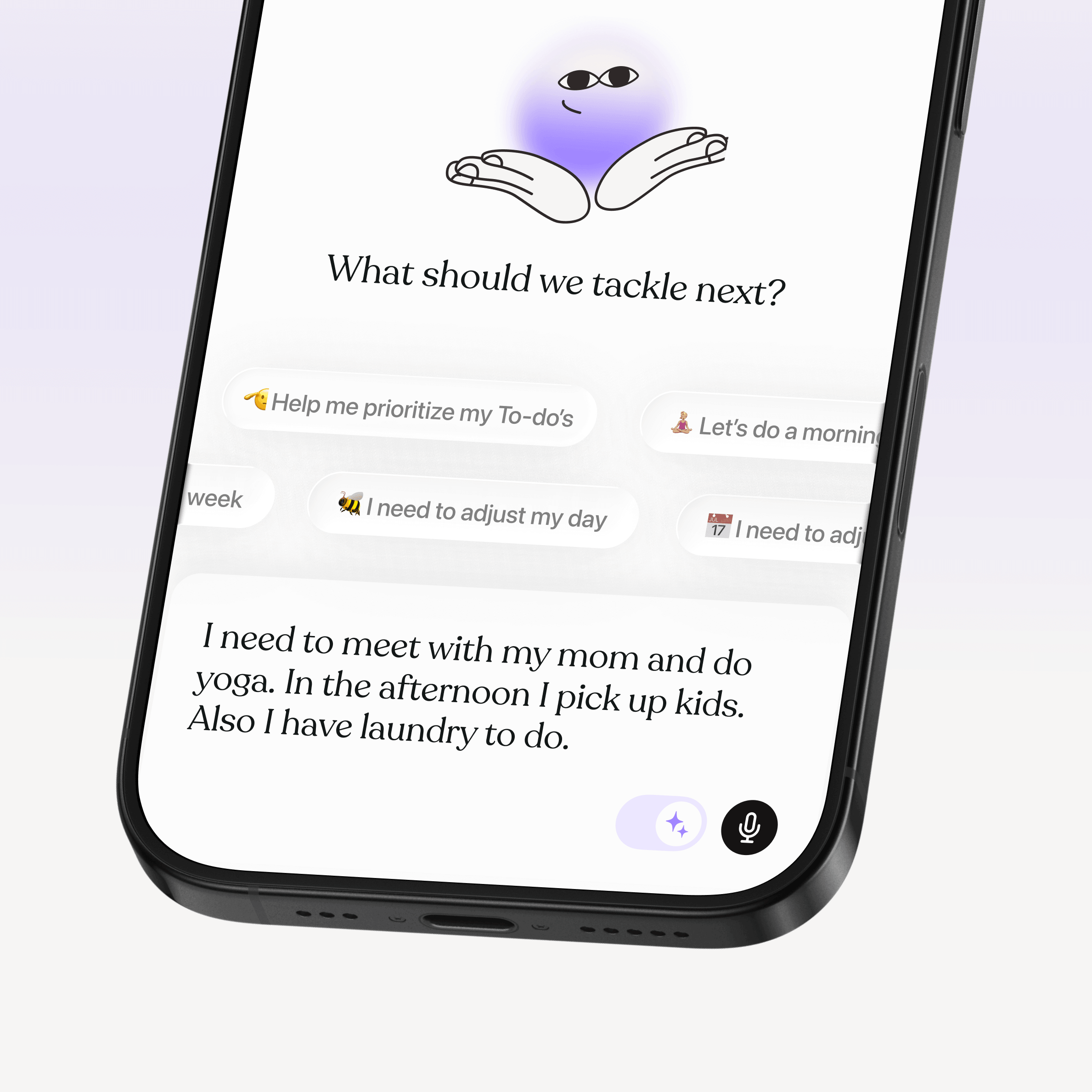
💡 Pro tip: Empty your brain and let the AI co-planner in Tiimo organise it all into your To‑do list. You decide if you want to write or speak to the co-planner.
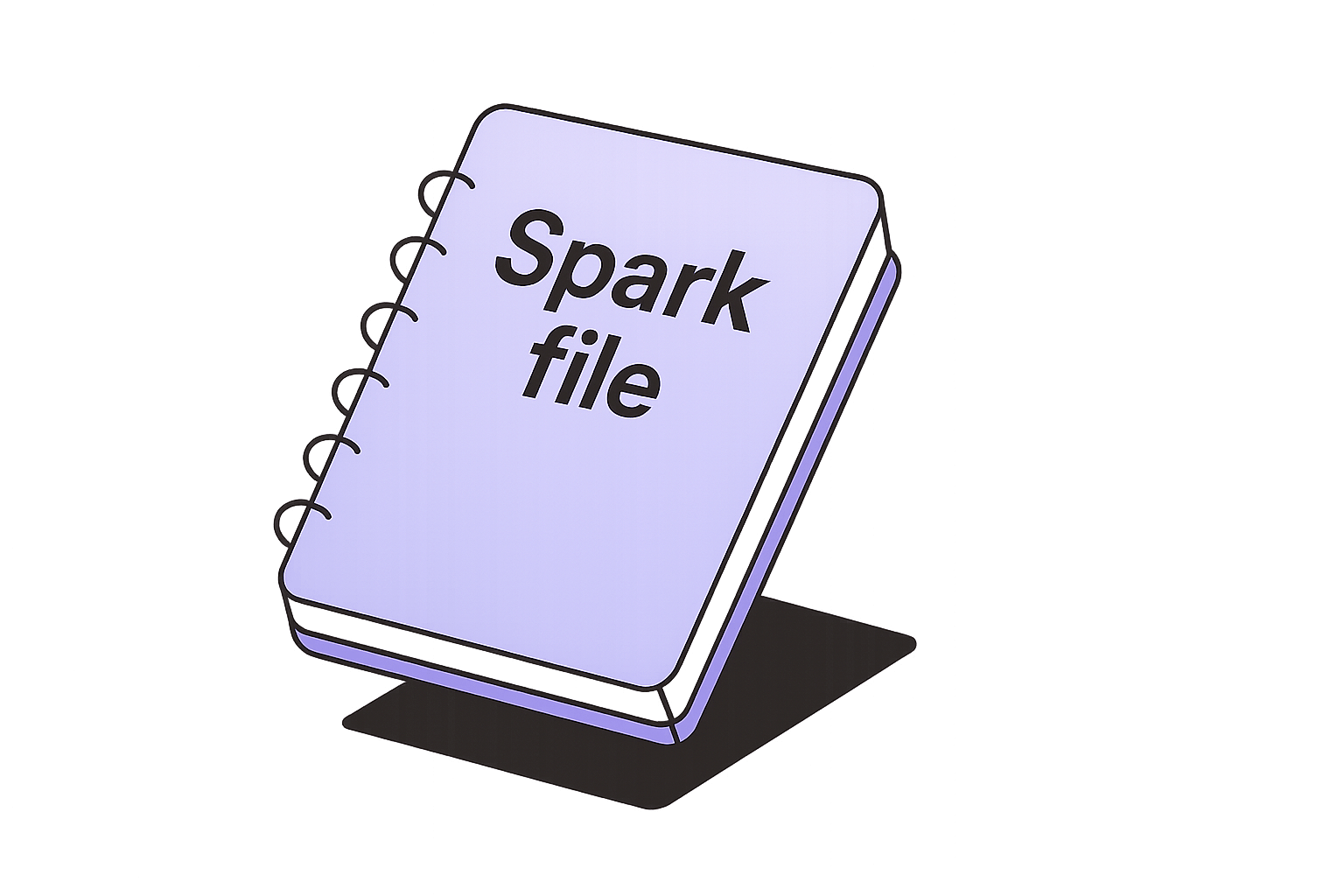
Your brain wasn’t designed to hold 27 competing thoughts while trying to focus on one. The Spark File gives those thoughts a safe place to land, freeing up space for deep focus and creative work. Over time, it becomes your personal archive of insights, half-ideas, and sparks; a goldmine you can revisit anytime.
This isn’t just a creativity trick. It’s one of the most effective tips and strategies for people who tend to get stuck at the starting line or feel creatively blocked.
💡 Pro tip: Create a recurring task in Tiimo once a week to reread your Spark File. You’ll be amazed at the patterns, ideas, and connections hiding in plain sight.
Yes, daydreaming. The thing your teacher told you to stop doing. Turns out, when you do it intentionally, daydreaming can actually boost your focus and creativity. The Daydream Station is a concept that turns unfocused moments into fertile creative ground. Instead of battling your distraction, you give it a soft landing spot, a few minutes to let your thoughts roam without guilt. How to do it:

When you allow your brain to “defocus,” it often returns sharper and more energized. This technique especially helps those who feel mentally scattered or emotionally overloaded, common signs of ADHD or burnout. It’s also a great way to reconnect with your why, the deeper motivations behind what you’re trying to do.
So next time your focus slips? Try daydreaming on purpose. You might just return with a plan.
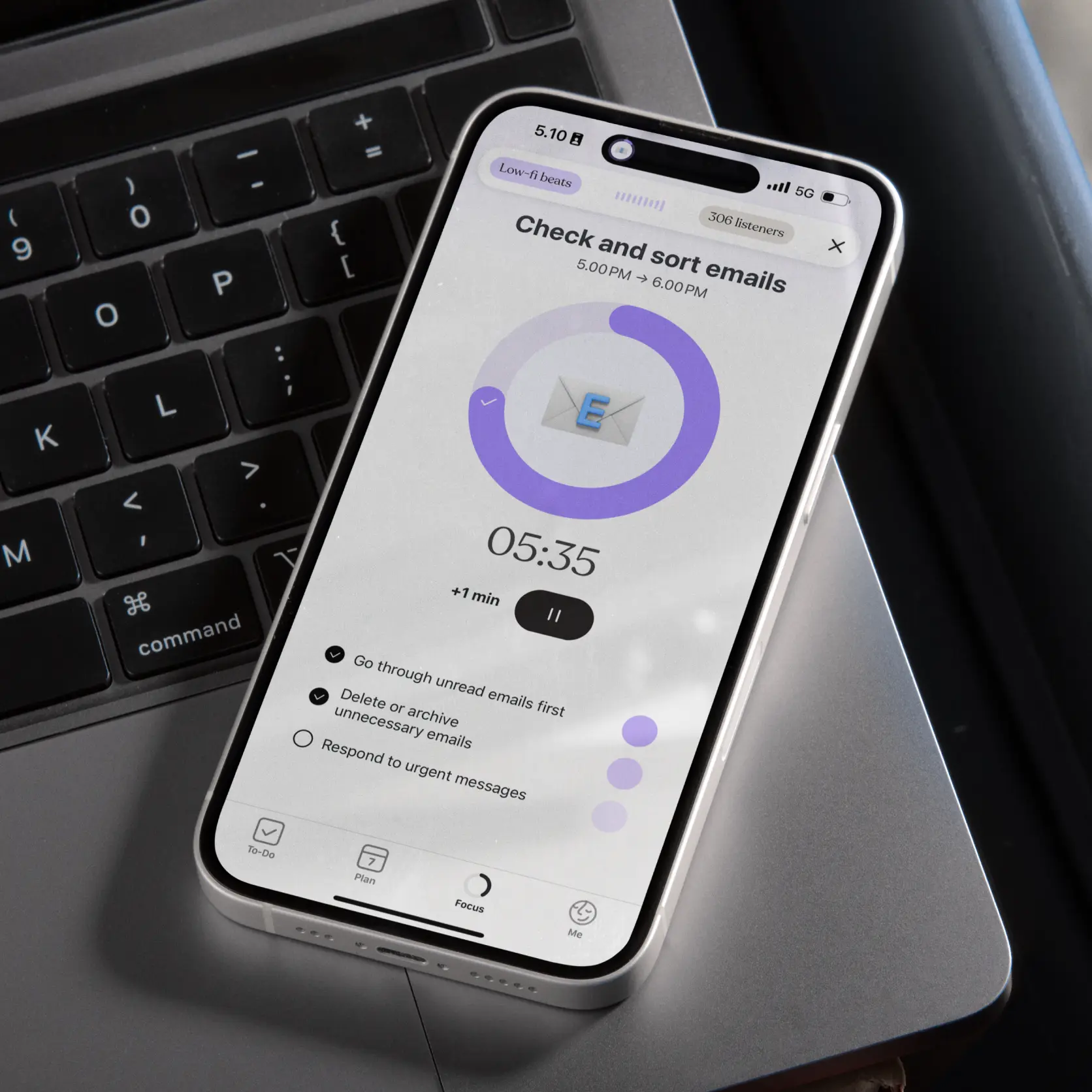
💡 Pro tip: Add the Tiimo 5 minutes Focus timer as a widget to your homescreen to get a quick access to your plan, To-do list, timers without opening the app.

This article explores some common root causes of procrastination and shares two practical strategies to improve focus, reduce procrastination, and help you actually finish what you start.
Why does focusing feel so hard sometimes? You sit down to work. Five minutes later, you're reorganizing your sock drawer. Or scrolling aimlessly. Or deep in a rabbit hole about Victorian plumbing (again). Sound familiar? You’re not lazy. You’re not broken. You might just need a different kind of support.
Procrastination often gets framed as a motivation problem. But for many of us, especially if you're neurodivergent, it’s more about task initiation and time agnosia. When your brain struggles to sense time or decide where to start, even small tasks can feel like scaling a mountain in flip-flops.
There’s also the sneaky kind of procrastination: doing other productive things to avoid the task you actually need to do. You tidy your desk, answer emails, color-code your files; and still haven’t touched that one scary task. This kind of avoidance often masks deeper feelings: fear of getting it wrong, overwhelm, or not knowing where to begin. The good news? You don’t need to “fix” your brain. You just need systems that work with it. Let’s explore two that do.
This one comes from writer Steven Johnson. It’s called the Spark File, and it’s brilliantly simple. Here’s how it works:
💡 Pro tip: Empty your brain and let the AI co-planner in Tiimo organise it all into your To‑do list. You decide if you want to write or speak to the co-planner.
Your brain wasn’t designed to hold 27 competing thoughts while trying to focus on one. The Spark File gives those thoughts a safe place to land, freeing up space for deep focus and creative work. Over time, it becomes your personal archive of insights, half-ideas, and sparks; a goldmine you can revisit anytime.
This isn’t just a creativity trick. It’s one of the most effective tips and strategies for people who tend to get stuck at the starting line or feel creatively blocked.
💡 Pro tip: Create a recurring task in Tiimo once a week to reread your Spark File. You’ll be amazed at the patterns, ideas, and connections hiding in plain sight.
Yes, daydreaming. The thing your teacher told you to stop doing. Turns out, when you do it intentionally, daydreaming can actually boost your focus and creativity. The Daydream Station is a concept that turns unfocused moments into fertile creative ground. Instead of battling your distraction, you give it a soft landing spot, a few minutes to let your thoughts roam without guilt. How to do it:
When you allow your brain to “defocus,” it often returns sharper and more energized. This technique especially helps those who feel mentally scattered or emotionally overloaded, common signs of ADHD or burnout. It’s also a great way to reconnect with your why, the deeper motivations behind what you’re trying to do.
So next time your focus slips? Try daydreaming on purpose. You might just return with a plan.
💡 Pro tip: Add the Tiimo 5 minutes Focus timer as a widget to your homescreen to get a quick access to your plan, To-do list, timers without opening the app.
This article explores some common root causes of procrastination and shares two practical strategies to improve focus, reduce procrastination, and help you actually finish what you start.


Why does focusing feel so hard sometimes? You sit down to work. Five minutes later, you're reorganizing your sock drawer. Or scrolling aimlessly. Or deep in a rabbit hole about Victorian plumbing (again). Sound familiar? You’re not lazy. You’re not broken. You might just need a different kind of support.
Procrastination often gets framed as a motivation problem. But for many of us, especially if you're neurodivergent, it’s more about task initiation and time agnosia. When your brain struggles to sense time or decide where to start, even small tasks can feel like scaling a mountain in flip-flops.
There’s also the sneaky kind of procrastination: doing other productive things to avoid the task you actually need to do. You tidy your desk, answer emails, color-code your files; and still haven’t touched that one scary task. This kind of avoidance often masks deeper feelings: fear of getting it wrong, overwhelm, or not knowing where to begin. The good news? You don’t need to “fix” your brain. You just need systems that work with it. Let’s explore two that do.
This one comes from writer Steven Johnson. It’s called the Spark File, and it’s brilliantly simple. Here’s how it works:
💡 Pro tip: Empty your brain and let the AI co-planner in Tiimo organise it all into your To‑do list. You decide if you want to write or speak to the co-planner.
Your brain wasn’t designed to hold 27 competing thoughts while trying to focus on one. The Spark File gives those thoughts a safe place to land, freeing up space for deep focus and creative work. Over time, it becomes your personal archive of insights, half-ideas, and sparks; a goldmine you can revisit anytime.
This isn’t just a creativity trick. It’s one of the most effective tips and strategies for people who tend to get stuck at the starting line or feel creatively blocked.
💡 Pro tip: Create a recurring task in Tiimo once a week to reread your Spark File. You’ll be amazed at the patterns, ideas, and connections hiding in plain sight.
Yes, daydreaming. The thing your teacher told you to stop doing. Turns out, when you do it intentionally, daydreaming can actually boost your focus and creativity. The Daydream Station is a concept that turns unfocused moments into fertile creative ground. Instead of battling your distraction, you give it a soft landing spot, a few minutes to let your thoughts roam without guilt. How to do it:
When you allow your brain to “defocus,” it often returns sharper and more energized. This technique especially helps those who feel mentally scattered or emotionally overloaded, common signs of ADHD or burnout. It’s also a great way to reconnect with your why, the deeper motivations behind what you’re trying to do.
So next time your focus slips? Try daydreaming on purpose. You might just return with a plan.
💡 Pro tip: Add the Tiimo 5 minutes Focus timer as a widget to your homescreen to get a quick access to your plan, To-do list, timers without opening the app.
When you're ready, try Tiimo and make structure a little easier.

Five ADHD-friendly organization tips that reduce clutter and simplify cleaning.

Why some ADHD'ers are diagnosed later in life and where to find support.
You’ve got plenty of energy, so why can’t you use it on the task that matters? Learn what blocks ADHD motivation and how to make difficult tasks easier to start.
